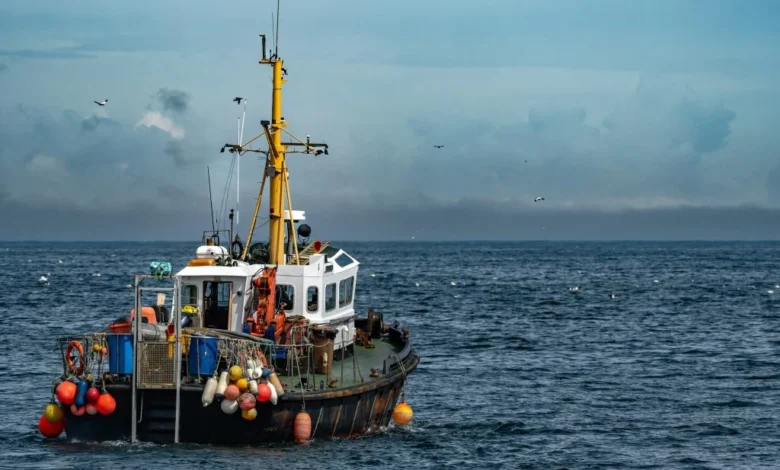
The UK government has officially widened the scope of the Fisheries and Seafood Scheme (FaSS) to include substantial financial support for the acquisition of new vessel engines and gearboxes. This policy shift, administered by the Marine Management Organisation (MMO) on behalf of the Department for Environment, Food & Rural Affairs (Defra), represents a strategic effort to assist fishing operators in navigating the dual challenges of rising maintenance costs and the imperative to adopt environmentally sustainable propulsion technologies.
The Strategic Context of the Fisheries and Seafood Scheme
The Fisheries and Seafood Scheme was established as a vital pillar of the government’s support for the domestic fishing industry following the United Kingdom’s exit from the European Union. Originally designed to bolster the resilience of the sector, the scheme has evolved to focus on long-term sustainability, safety, and efficiency.
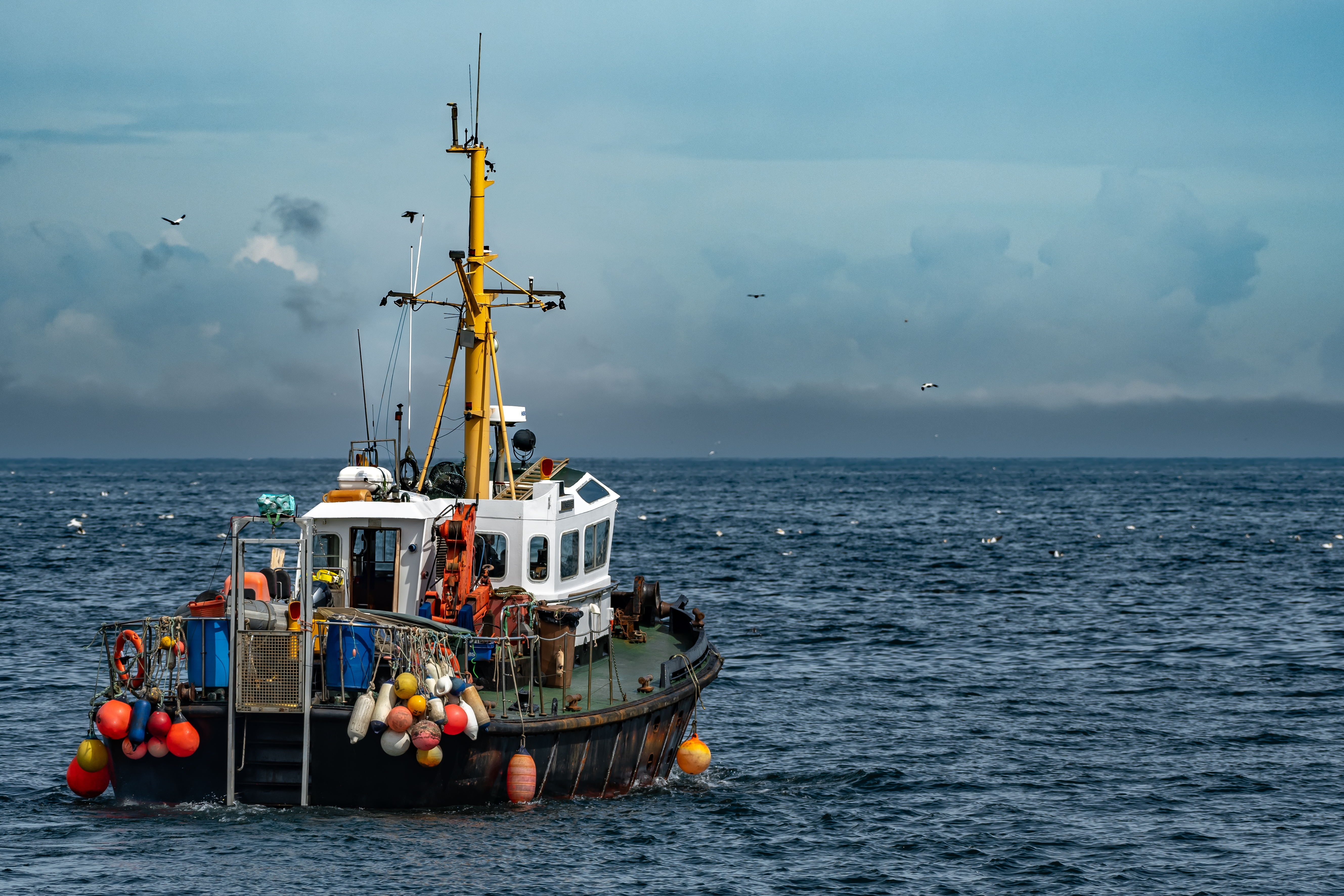
The inclusion of engine and gearbox replacements is a direct response to feedback from the fishing community, which has long cited the prohibitive costs of mechanical upgrades as a barrier to modernizing their fleets. Many vessels currently operating in British waters rely on aging internal combustion engines that are not only less efficient but also contribute disproportionately to maritime carbon emissions. By subsidizing these upgrades, the government aims to catalyze a transition toward a more modern, lower-carbon fishing fleet, ultimately securing the long-term viability of the industry.
Financial Breakdown and Eligibility
The newly expanded grant structure provides tiered support based on the vessel’s profile and the type of engine being installed. The government has structured these incentives to prioritize the transition to cleaner energy sources:
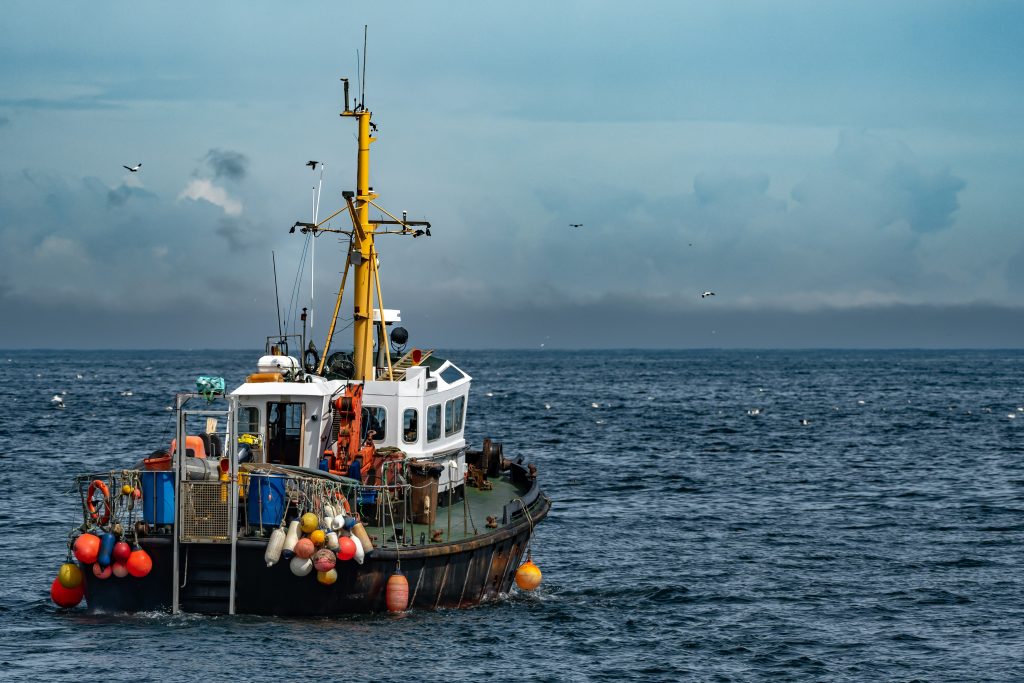
- Small-Scale Coastal Fleets: Operators of smaller vessels can now claim a 65 per cent contribution toward the costs of purchasing new petrol or diesel engines.
- General Fishing Vessels: For larger or commercial vessels that do not fall under the small-scale classification, the grant covers 50 per cent of the costs for standard petrol or diesel upgrades.
- Green Propulsion: In a significant push for environmental targets, the scheme offers a 90 per cent contribution toward the acquisition of electric or hybrid engines. This is available to all eligible vessels regardless of their size or the specific scale of the business, reflecting a clear policy preference for decarbonization.
This funding is drawn from the broader £132 million Fishing and Coastal Growth Fund, a multi-year commitment intended to span the next five years. To date, the scheme has already successfully processed and approved more than £5 million in investment, signaling strong industry uptake and a readiness among boat owners to modernize their operations.
Chronology of Industry Support
The path to this expansion has been defined by a series of government interventions aimed at reconciling economic performance with environmental stewardship:
- Post-Brexit Realignment: Following the end of the transition period, the government introduced the initial FaSS framework to replace legacy EU funding, focusing on infrastructure and safety.
- UK Seafood Fund Launch: The government introduced the UK Seafood Fund, which provided a template for engine support. This fund served as a pilot for encouraging lower-carbon technology, providing valuable data on how vessel owners respond to capital subsidies for mechanical upgrades.
- Expansion of Scope: Recognizing that engine and gearbox failures are among the highest operational risks and costs for fishermen, the MMO and Defra conducted a review of the FaSS eligibility criteria throughout early 2026.
- Current Implementation: The formal expansion of the grant to include gearboxes and engines went live this month, with the MMO actively encouraging applications from across the UK’s coastal regions.
Official Perspectives and Industry Reactions
Paul Errington, the acting director of finance at the Marine Management Organisation, emphasized the dual benefit of the scheme for both individual operators and the national environmental agenda. "This is a great opportunity for operators of all sizes to invest in their vessels," Errington stated. "I would encourage anyone considering an engine upgrade to look at the expanded scheme and make the most of the support that is available. Whether you are looking at a new diesel engine or making the switch to electric or hybrid, we can make a meaningful contribution to help you with that transition."
Industry representatives have cautiously welcomed the announcement, noting that while the grants are generous, the logistics of installing new, specialized engines—particularly electric and hybrid systems—will require further training and infrastructure support at local ports. Fishing associations have noted that the 90 per cent grant for green propulsion is a "game-changer" that effectively removes the financial risk of being an "early adopter" of sustainable marine technology.
Economic and Environmental Implications
The implications of this policy shift are threefold: environmental, economic, and operational.

From an environmental perspective, the maritime sector is under increasing pressure to align with the UK’s Net Zero targets. Fishing vessels, which often operate in sensitive marine environments, are prime candidates for the electrification of auxiliary systems and propulsion. By lowering the barrier to entry for electric and hybrid engines, the government is effectively de-risking the green transition for small business owners who might otherwise be unable to justify the capital expenditure of non-traditional propulsion systems.
Economically, the grant acts as a stimulus for the marine engineering sector. Increased demand for new, efficient engines and high-quality gearboxes is expected to boost local supply chains, maintenance workshops, and engineering firms that specialize in marine propulsion. Furthermore, by improving fuel efficiency through modern engine technology, vessel owners can reduce their operational overheads, thereby increasing their margins in a market often characterized by volatile fuel prices and fluctuating catch values.
Operationally, the focus on gearboxes alongside engines is a pragmatic move. A vessel’s propulsion system is an integrated unit; replacing an engine without addressing the gearbox often leads to inefficiency and mechanical strain. By allowing for the concurrent upgrade of these components, the government is ensuring that the investment results in a genuine, long-term improvement in vessel reliability.
Challenges Ahead: The Road to Implementation
Despite the positive reception, the industry faces significant hurdles in the implementation phase. The conversion to electric or hybrid propulsion systems is not merely a matter of swapping out hardware; it requires a complete overhaul of a vessel’s energy storage and distribution systems.
Many remote coastal communities currently lack the high-capacity charging infrastructure required to support a fleet of electric vessels. As the MMO and Defra continue to roll out the scheme, observers expect that the government will eventually need to complement these vessel-level grants with port-level infrastructure investment. Without the ability to charge vessels quickly and efficiently in harbor, the adoption of electric propulsion may be limited to specific classes of small, short-range vessels.
Furthermore, the bureaucratic process of applying for government grants can be daunting for small, family-run fishing businesses. The MMO has indicated that it is streamlining the application process to ensure that the £132 million fund is accessible to those who need it most, rather than just those with the administrative capacity to navigate complex government forms.
A Future-Facing Maritime Policy
The expansion of the Fisheries and Seafood Scheme serves as a case study in how the UK government intends to use public funds to drive industrial evolution. By balancing the immediate needs of the fishing industry—such as reducing maintenance costs and replacing failing mechanical equipment—with the long-term imperative of decarbonization, the government is attempting to modernize a traditional sector.
As the industry moves forward, the success of this program will be measured not just by the number of grants approved, but by the tangible reduction in the carbon footprint of the UK’s fishing fleet and the sustained profitability of its coastal communities. The next five years will be critical as the Fishing and Coastal Growth Fund is deployed, and all eyes will be on whether the current 90 per cent incentive is sufficient to trigger a widespread, structural shift toward electric and hybrid maritime technology.
For now, the message from the MMO is clear: the government is prepared to share the financial burden of innovation, provided that the industry is willing to embrace the technology of the future. Whether this leads to a "green revolution" in British fishing remains to be seen, but the policy architecture is now firmly in place to facilitate that transition.